Eco-friendly home improvements have moved well past the novelty stage; they’re now among the most financially sensible investments a homeowner can make. The combination of lower utility costs, improved home comfort, available tax incentives, and growing buyer demand for energy-efficient homes makes the case for going green more compelling than ever. The best eco-friendly home improvements aren’t sacrifices; they’re upgrades that happen to be better for the environment while also being better for the household budget and long-term home value.
The Eco-Friendly Home Improvements That Deliver the Most Value
Not all eco-friendly upgrades return equal value, and understanding where to start makes the difference between scattered improvements and a coherent strategy that compounds over time. Insulation and air sealing are the foundation that almost every other improvement builds on. A home that leaks conditioned air through attic bypasses, poorly sealed windows and doors, and uninsulated wall cavities works its heating and cooling systems harder than necessary. Adding attic insulation to meet current DOE recommendations and sealing the most significant air infiltration points produces immediate, measurable reductions in energy costs and improves comfort year-round.
Water heating is the second-largest energy expense in most homes after space conditioning, and an area where eco-friendly home improvements produce significant lasting savings. Heat pump water heaters, which extract heat from surrounding air rather than generating it directly, use roughly two-thirds less energy than standard electric resistance water heaters. Federal tax credits currently available for heat pump water heater installation reduce upfront cost meaningfully, making the return on investment faster than the equipment cost alone suggests.
Practical Eco-Friendly Home Improvements for Every Budget
The accessible end of eco-friendly home improvements doesn’t require large capital investment or professional installation; these smaller changes often produce the fastest payback relative to their cost. LED lighting throughout the home is the simplest universally applicable eco-friendly improvement available. LEDs use up to 90 percent less energy than incandescent bulbs and last significantly longer, producing both energy savings and reduced replacement costs. Smart power strips that eliminate phantom load, the electricity drawn by electronics in standby mode, address a source of waste that accounts for a meaningful percentage of the average home’s energy bill without any behavioral change required. Low-flow fixtures in bathrooms and kitchens reduce water consumption without noticeable impact on function. WaterSense-certified showerheads, faucet aerators, and toilets collectively reduce household water use significantly with direct impact on water and energy bills.
The Investment That Keeps Paying
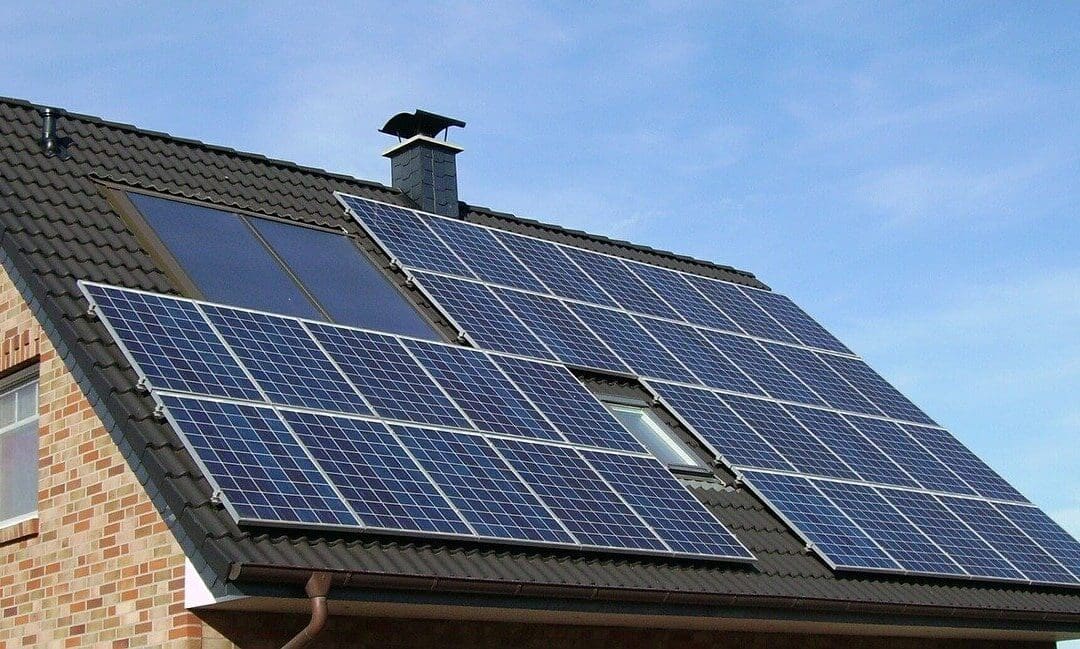
Solar panel installation has become one of the most popular eco-friendly home improvements as costs have dropped dramatically and federal incentive programs have expanded. A solar installation sized for the home’s consumption could eliminate the majority of the electricity bill. The savings on monthly electricity costs, the hedge against future utility rate increases, and the documented positive effect on home value all remain strong arguments for installation. In most markets, solar adds directly to home value at a rate that approaches the installation cost, and for homeowners planning to stay five or more years, the long-term energy savings make the case on their own.
Inspect OC offers professional home inspections in Southern California. Contact us to schedule an inspection today.